Nobody wants your 4-minute voice note
Voice notes are human and often lovely. But a four-minute ramble is a package shipped cash on delivery: instant for you to send, and the receiver pays the whole toll. Here is when to send text instead, and how to do it without slowing down.

Image: Pexels
First, in defense of the voice note: it is one of the warmest things a phone can do. You hear a friend laugh mid-sentence, you catch your mom's tone, you get the whole feeling and not just the words. This is not a lecture about how voice notes are bad. They are human, and for the right message they beat text every time.
But there is one specific thing worth naming, gently. Think of a long voice note as a package shipped cash on delivery. Free and instant for the sender: you hold the button, you ramble, you send. The receiver pays the whole toll on the other end.
The COD package you can't refuse
When a four-minute audio lands, the person on the other side has no way to peek at it first. They have to stop what they are doing, maybe find headphones, maybe leave the room, and sit through the whole thing before they know what it even was. Was it 'the house is on fire' or 'my day went great'? They can't tell until minute three. The package arrived, and they are the one who has to pay for it.
Why it's a toll, not a gift
The trap is that it does not feel like you are asking for anything. It feels generous, even, like you gave them a lot of yourself. But the numbers are lopsided. Recording took you a few relaxed seconds of thinking out loud. Listening will cost them minutes, and unlike you, they can't skip the parts where you searched for a word. On top of that they pay the suspense tax: they have to stay tuned to the end just to learn whether any of it needed a reply.
| You (sender) | Them (receiver) | |
|---|---|---|
| Time it costs | A few seconds | The full length, in real time |
| Can skim ahead | N/A | No |
| Knows the point upfront | Yes | Not until the end |
| Where they can open it | Anywhere | Only where it's private and audible |
The three things a long voice note steals
Text is quietly generous in ways we forget, because it lets the reader stay in control. A long audio takes three of those freedoms away:
- The freedom to read anywhere. Text works in a meeting, on a crowded bus, in a waiting room, next to a sleeping baby. A voice note demands sound and often headphones, so it just sits there unopened until the moment is right.
- The freedom to skim. With text you catch the point in two seconds and can Ctrl-F for the address later. Audio has no skimming and no searching. To find one detail you replay the whole thing.
- The freedom to act fast. If the message is 'send me the account number,' text can be answered in ten seconds. A voice note buries that number somewhere in the middle, so a two-second task becomes a four-minute one.
The flattering part: you think out loud
Here is the kind reframe, because none of this is a character flaw. People who send long voice notes are usually people who think out loud. You process by talking, you are generous with detail, you would rather over-explain than leave someone guessing. That is a genuine strength, and it is exactly why your dictated messages tend to be richer than your typed ones.
The only real problem was who paid the toll. So keep thinking out loud. Just pay the toll yourself: talk as much as you like, then send it as text the other person can read in five seconds. You keep the strength, they keep their afternoon.
One honest caveat: this is about what you send
To be fair, this whole thing is cultural. Voice notes are far more normalized across Latin America (and in places like India and the Middle East) than in, say, the UK, where texting still dominates. So if your circle lives in audio, you are not doing anything strange. This is about individual messages, not banning a whole habit.
And notice the caveat is about the audios you send, not the ones you receive. WhatsApp can already transcribe the voice notes you get: it is generated privately on your own device, so you can read an incoming one instead of listening. The catch is that you can't transcribe your way out of what you inflict on other people. You don't control whether they turn transcription on, or whether it even supports their language. The only end of this you actually control is your own outgoing messages.
How to keep talking speed and send clean text
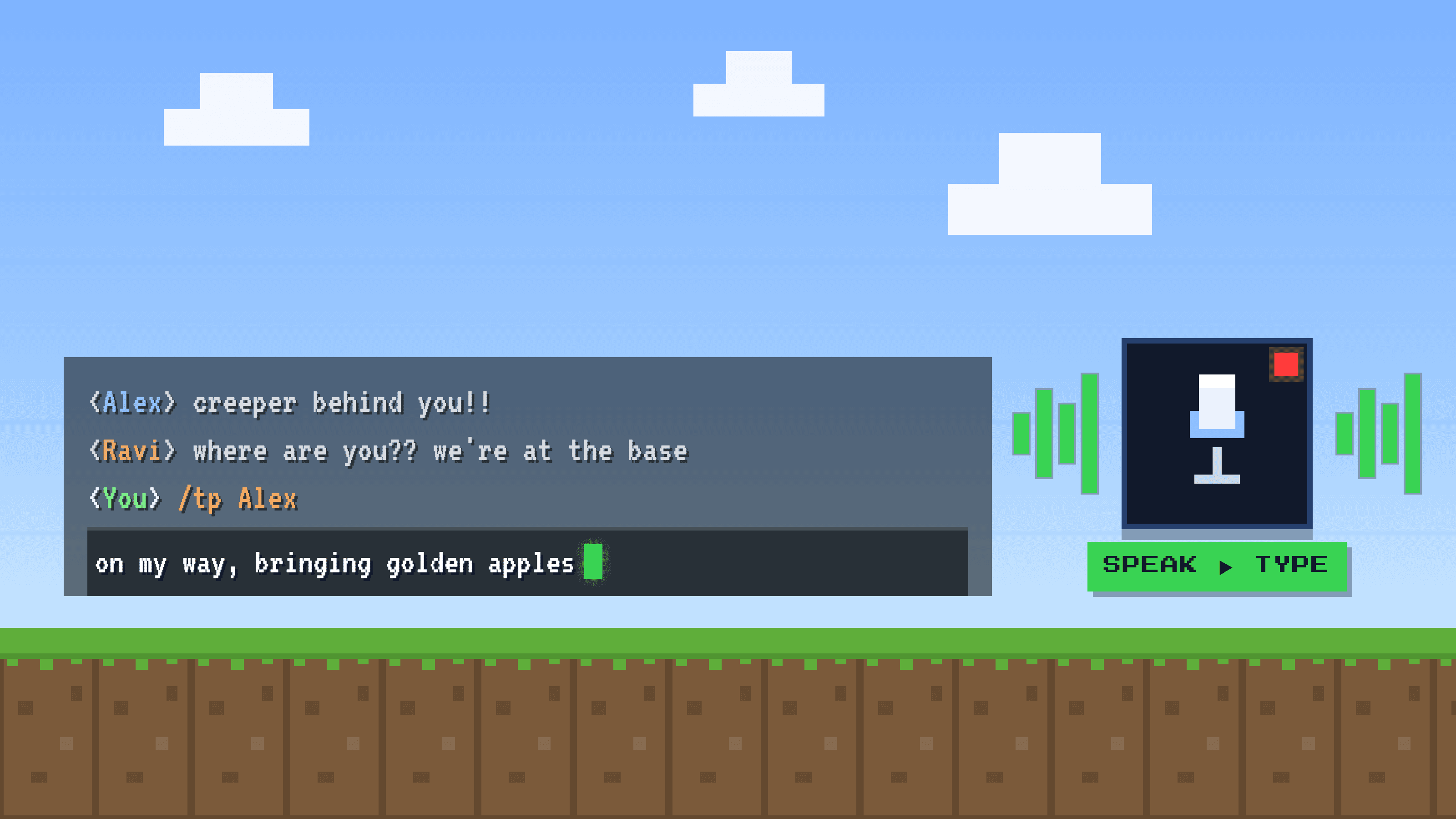
This is where Golem fits. It is not a transcriber for other people's audios; it replaces the voice notes you would have sent. You hold a hotkey, say exactly what you would have rambled into a voice note, and clean, punctuated text drops straight into WhatsApp Web, Telegram, Slack, or wherever you are typing. An AI layer trims the filler and the false starts, so the other person gets the point, not the 'um, so, anyway.'
Put your cursor in the chat
WhatsApp Web, Telegram, Slack, email, wherever you were about to hold the mic button.
Press your shortcut and just talk
Say the whole thing at talking speed, as long and detailed as you want. Golem turns it into clean text.
Glance and send
It is already punctuated and tidied, so you read it once and hit send. The receiver gets something they can skim in seconds.
A rule of thumb for when to send which
If the message carries an address, a time, or a decision, or if it is longer than a tweet, send text. Save voice notes for the genuinely emotional stuff, the laughing, the good news, the times your tone is the whole message.
Frequently asked questions
Are long voice notes actually rude?
Not exactly rude, but they are asymmetric: a few seconds for you to send, several minutes for the other person to hear, with no way to skim. For anything carrying information it is kinder to send text. For genuinely emotional messages, a voice note is often the better choice.
How do I send text at the speed I'd talk?
Use voice typing. A tool like Golem lets you hold a shortcut, speak normally, and drops clean, punctuated text into any chat, so you keep talking speed but the other person gets something they can read in seconds.
Can't the other person just transcribe my voice note?
Sometimes. WhatsApp can transcribe received voice messages on the device, but it is opt-in, receiver-triggered, and supports only a limited set of languages. You can't rely on it, so the reliable fix is to send text yourself.
Does Golem transcribe the voice notes people send me?
No. Golem is for the messages you send: it turns your own speech into clean text before you send it. Transcribing incoming audios is a separate, receiver-side feature (for example WhatsApp's on-device transcripts).